

WE CARE ABOUT THE PLANET
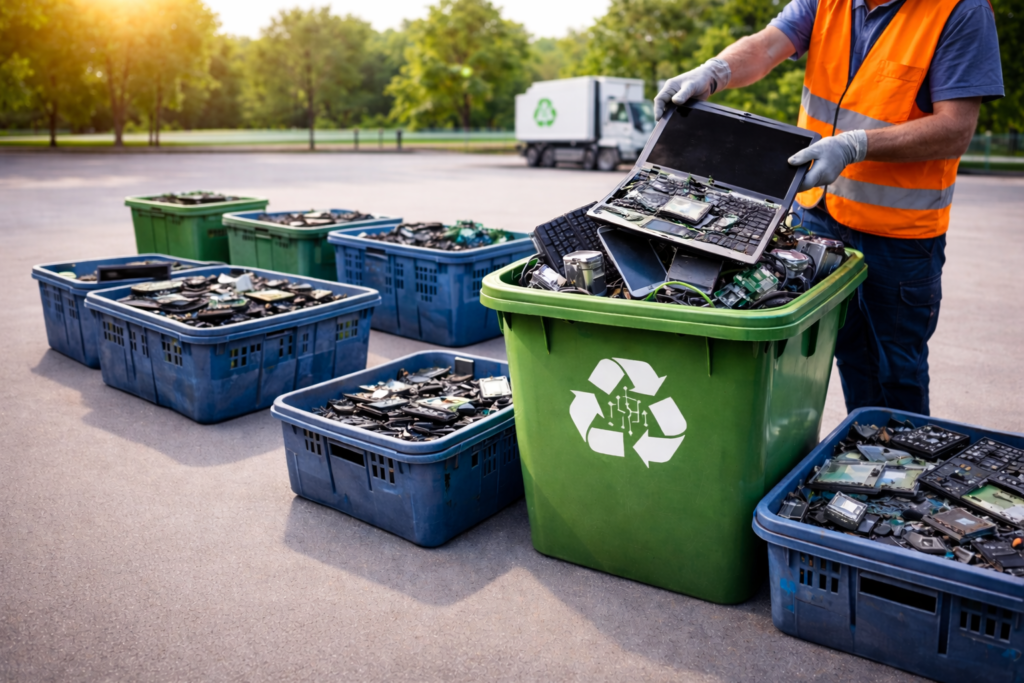
This is where most electronic waste ends up today.

How do we make a difference?
Learn more about the global e-waste crisis
The Global E-Waste Problem

The world generated approximately 62 million tonnes of electronic waste in 2022, and this number continues to rise. Yet only around 22% is formally recycled, meaning most devices end up in landfills or are processed unsafely. Improving repair, reuse, and responsible recycling is essential to reduce this growing environmental burden.

Source: Global E-Waste Monitor (UNITAR & ITU)
Why E-Waste Is Harmful

Electronic devices contain hazardous substances such as lead, mercury, and cadmium. When disposed of improperly, these materials can contaminate soil and water and pose serious health risks. Responsible recycling ensures safe handling of toxic components and protects communities and the environment.

Source: World Health Organization (WHO)
The Hidden Value in E-Waste

E-waste contains valuable materials like gold, copper, and rare metals. Billions in recoverable resources are lost each year due to poor recycling systems. Repairing and reusing devices helps reduce waste and supports a more sustainable circular economy.

Source: Global E-Waste Monitor & European Commission (WEEE Directive)
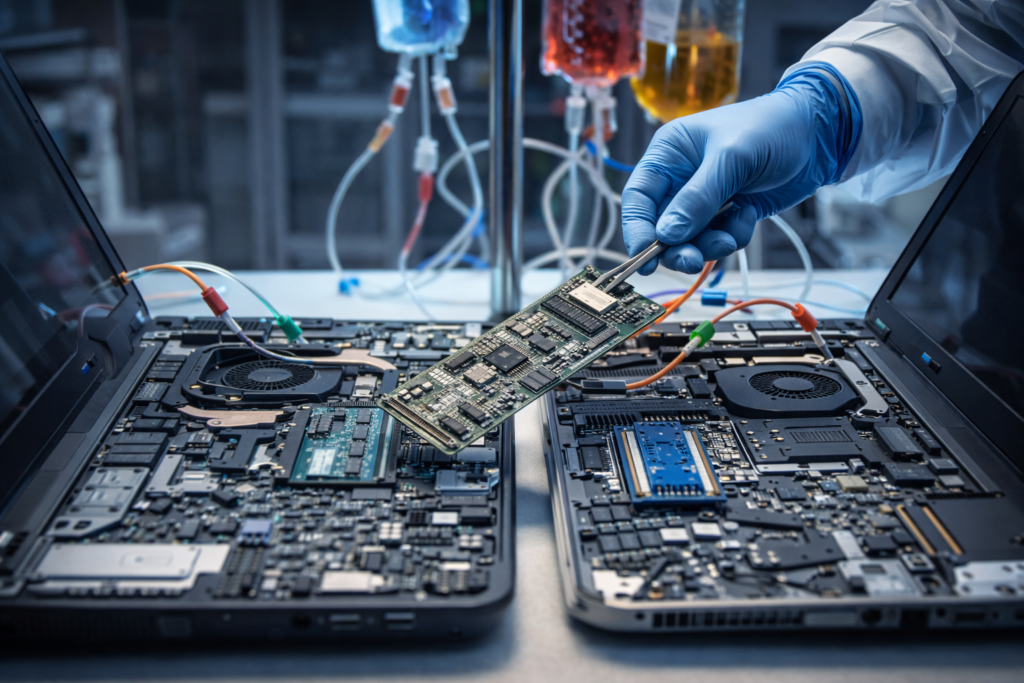
Component Transplantation

Electronic component transplantation allows functional parts from damaged devices to be safely reused in other repairs. By transferring working components between devices, we extend product lifespans, reduce waste, and minimise the demand for new raw materials. It is a sustainable repair approach that supports a circular economy.
Waste Management

Responsible e-waste management ensures that discarded electronics are handled, sorted, and processed safely. Proper waste management prevents hazardous materials from contaminating the environment and protects both public health and natural ecosystems. Structured collection and processing systems are essential for sustainable technology use.
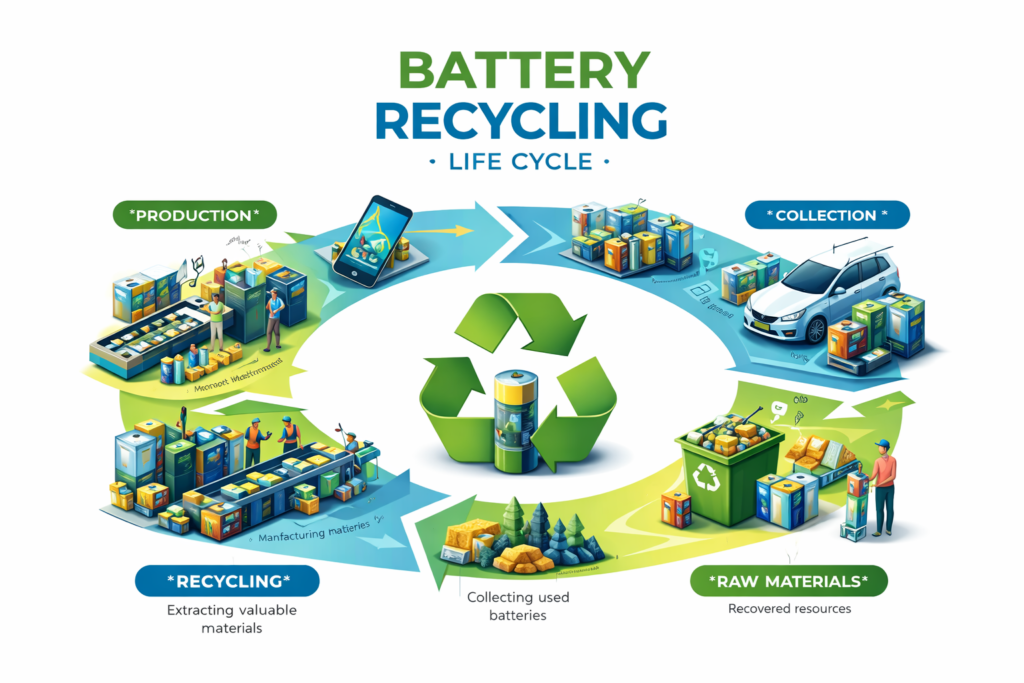
Recycling

Recycling electronic waste recovers valuable materials such as copper, aluminium, and precious metals while safely disposing of harmful substances. Effective recycling reduces landfill volume, lowers environmental impact, and supports resource efficiency. It transforms waste into reusable materials, contributing to long-term environmental sustainability.
Frequently Asked Questions
How often should I service my Device?
Desktop computers should be serviced about once a year, while gaming laptops require maintenance every 6–9 months due to higher heat and performance demands. Gaming consoles like PS5 or Xbox should be cleaned and inspected every 6–12 months, especially if used daily. If you notice overheating, loud fans, slow performance, or unexpected shutdowns, servicing should be done sooner to prevent serious damage.
Do you use genuine spare parts for repairs?
We do not always use original manufacturer parts. In many cases — especially for mobile phones — high-quality replacement parts are used, as genuine screens can be very expensive. We always discuss the available options with the customer and recommend the best solution based on quality, durability, and budget.
How long does a full bike service take?
The time required depends on the device type and the nature of the issue. Minor repairs, such as screen or battery replacements, are often completed the same day, while more complex motherboard or diagnostic repairs may take several days. We always provide an estimated timeframe after initial inspection and keep you updated throughout the process.
Do you offer doorstep pickup and drop?
Yes, we offer convenient doorstep Pick-Up & Delivery as part of our PRD service.
Pick-up is available before work, typically between 8:30–8:45 AM, and delivery is arranged from 5:30 PM onwards after the repair is completed (not necessarily the same day).
What brands of bikes do you repair?
We repair most major brands of devices, including Apple, Samsung, Huawei, HP, Dell, Lenovo, Asus, Acer, and gaming consoles such as PlayStation and Xbox.
If you’re unsure about your specific model, just contact us — we’ll confirm quickly whether we can service it.